

Sensory Strategies for OTs from Evidence to Practice
Kim’s sensory series aims to demystify the world of sensory supports and gives therapists practical tips on how to use sensory supports. The series is specifically written for occupational therapists and has a strong focus on participation.
The six part sensory series includes pre-recorded content and a live Q&A session with Kim.Those joining the sessions will be learning directly from occupational therapists Kim. Kim has twenty years of clinical experience supporting children who have sensory needs at both home and school. She runs GriffinOT and is the author of Success with Sensory Supports (2023 JKP) and 100 ideas for Sensory Processing (2021 Bloomsbury).
Kim is presenting in all videos. There are additional reading materials and reflective worksheets which you can complete in your own time. The total training time is approximately 10 hours, this includes 6 hours of video, a live Q&A, and additional self-study time to review the course materials and complete the reflections.
Kim’s sensory series aims to demystify the world of sensory supports and gives therapists practical tips on how to use sensory supports. The series is specifically written for occupational therapists and has a strong focus on participation. Other therapists who want to increase their knowledge on sensory based interventions (e.g. speech therapists and psychologists) have also found the course helpful.
Over six sessions, Kim explains the world of sensory processing and sensory strategies. She explains the history of sensory integration theory and sensory processing. She will help you to understand the differences between direct sensory integration and sensory supports. The series then explores current evidence for sensory supports. Part 3 covers how to assess children’s sensory needs and Parts 4 & 5 cover practical supports at school and home. The final session is a live Q&A where participants can ask Kim questions.
This course runs live once a year and is then available as on demand.
- Live course Jan -February
- 5 weekly sessions Jan-start of Feb - delivered live, video recording available
- Live Q&A end of Feb
- Access closes 31 March
- Available from February – videos of live course
- Self-study
- Access for 6 months after enrolment
- Live Q&A (May, July, Sep, Nov)
Those who join live will have access to all recordings until March 31st. Those on the self-study pathway have 6 months access from when you first enrol (This will always include one Q&A session. You will get the most out of the session if you have watched the content in advance).
The series
Part 1: Reviewing conceptual models of sensory processing/integration.
This session will review the different theoretical models of sensory processing and explore where sensory strategies fit within these models. it will also explore arousal, modulation and self-regulation.
Part 2: Sensory strategies - what's the evidence?
This session will explore the current published evidence available to support the use of sensory strategies in practice.
Part 3: Assessment and goal setting
This session will cover the different assessment tools occupational therapists can use to identify sensory needs. The end of the session will focus on writing functional goals.
Part 4: Using sensory strategies at school
The main focus of the session will be practical considerations for success within schools. The session will conclude with a few case examples.
Part 5: Using sensory strategies at home
This session will focus on using sensory supports successfully at home.
Part 6: Q & A
It's your chance to ask questions
The price includes access to all six sessions.
Your Instructor
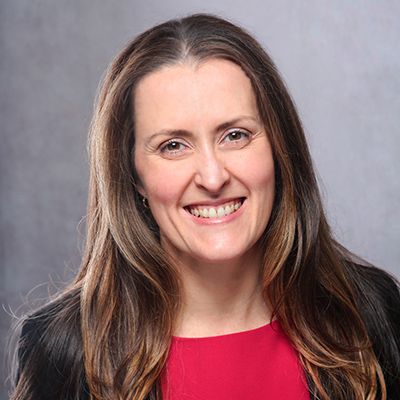
Kim Griffin is an occupational therapist striving to make occupational therapy supports available to all teachers and parents. Her goal is to ensure that families and school have immediate access to this occupational therapy expertise. Kim qualified as occupational therapist in Australia in 2003. Since then, she has had the privilege of working with many children and their families, as well as teachers. A core focus of her career has been helping children who have sensory processing difficulties and/or motor skill challenges. This includes extensive experience supporting children with autism/ASD, developmental delays, dyspraxia/DCD and specific learning difficulties. She set up the online arm of GriffinOT in 2017.
Kim’s qualifications
PhD Candidate Oxford Brookes University, UK (2023-2028) Topic: Supporting student's self-regulation in the classroom.
Postgraduate Certificate in Sensory Integration University of Ulster, UK (2012)
Masters in Health Science (Occupational Therapy) University of Sydney, Australia (2007)
Bachelor of Occupational Therapy with Honours James Cook University, Townsville, Australia (awarded March 2003)